
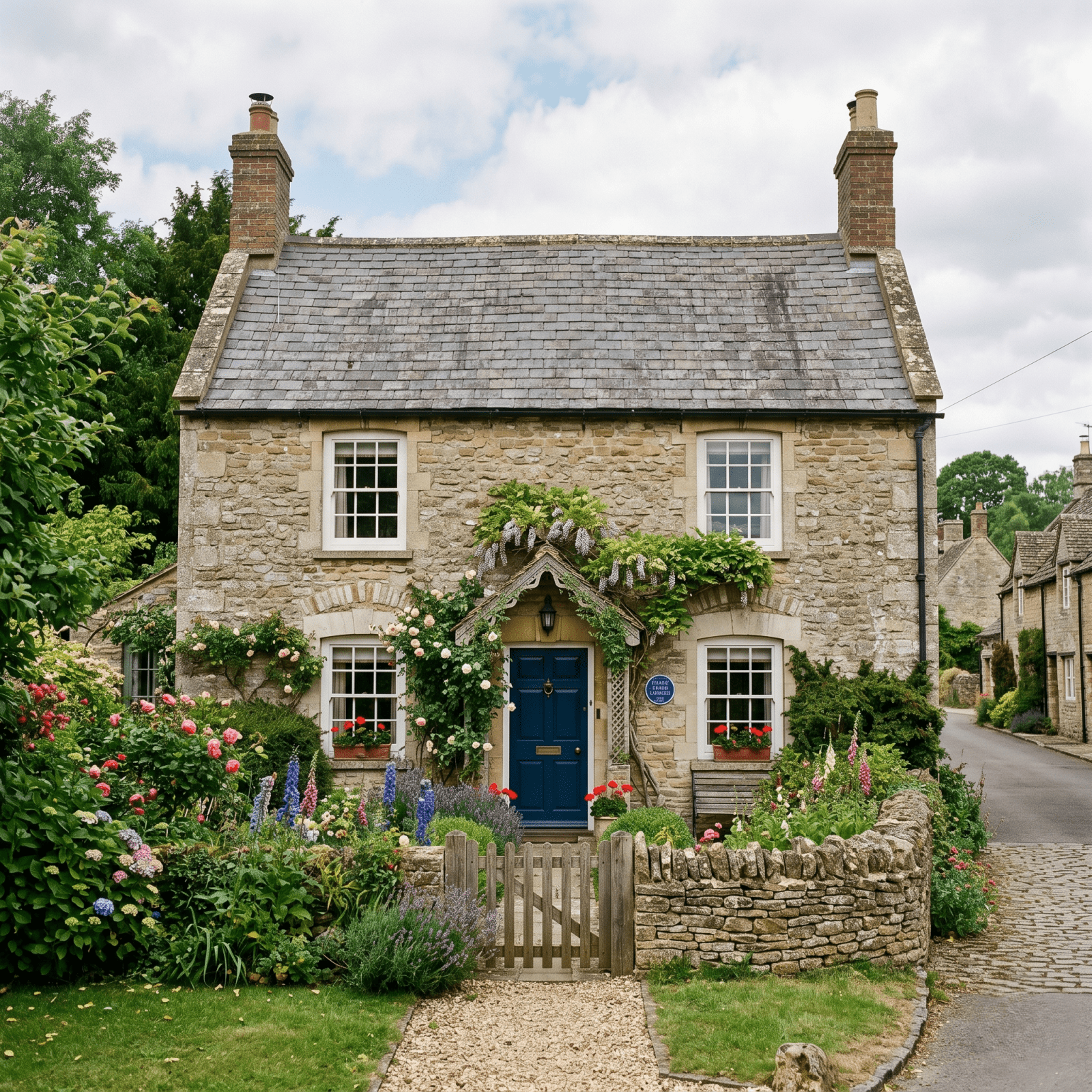
Guttering on listed buildings and in conservation areas is subject to tighter controls than on an ordinary home. Routine repair in the original material rarely needs consent, but replacing rainwater goods, or changing their material, profile or colour, usually requires listed building consent on a listed property and may require planning permission within a conservation area. The most reliable route to approval is to match the original appearance, and powder-coated aluminium in a half round, deepflow or moulded ogee profile provides a sympathetic, low-maintenance alternative to cast iron. Always confirm the requirements with your local planning authority before any work begins.
The rainwater goods on a period property are rarely an afterthought. On listed buildings and within conservation areas, the gutters, downpipes and hopper heads form part of the architectural character that the designation exists to protect. Replacing them therefore involves more than choosing a profile and a colour; it involves understanding what consent is required and selecting a system that respects the original design.
This guide explains when consent is needed, how to choose a sympathetic profile, and why powder-coated aluminium has become a widely accepted alternative to cast iron on heritage properties. It is general guidance rather than legal advice, and requirements vary from case to case, so the position should always be confirmed with your local authority.
Why Rainwater Goods Matter on Period Properties
Historic rainwater goods can contribute directly to the significance of a building. Decorative hopper heads, moulded gutter profiles and even date-stamped components can record the history of a property and form part of its special architectural interest. For this reason, the authorities that oversee listed buildings and conservation areas take a close interest in how rainwater goods are repaired or replaced.
Cast iron has traditionally been the material of choice, valued for its strength and its distinctive moulded profiles. Its drawbacks, however, are significant: it is heavy to handle and fix, it corrodes if the protective paint film fails, and it demands regular repainting to remain sound. These factors have led many owners and conservation officers to consider modern alternatives that preserve the appearance while removing the maintenance burden.
Do You Need Consent?
Two separate regimes can apply. Listed building consent protects buildings of special architectural or historic interest, and is needed for works that would affect that interest. Planning controls in conservation areas protect the character and appearance of a designated area. The table below sets out the general position, but every property is different, and the final word always rests with your local planning authority.
| Type of Work | Listed Building | Conservation Area |
|---|---|---|
| Cleaning & routine repair | Not normally required | Not normally required |
| Like-for-like replacement in the original material | May be required — confirm first | Usually permitted, unless restricted — confirm first |
| Changing material, profile or colour | Consent required | Permission usually required |
| Adding or altering downpipes & below-ground drainage | May be required | May be required |
Permitted development rights that apply to houses do not apply to flats and maisonettes, and may be removed elsewhere by an Article 4 direction. Carrying out unauthorised works to a listed building is a criminal offence. Scotland, Wales and Northern Ireland operate equivalent but separate consent regimes. This guidance applies to the position in England and is not a substitute for advice from your local planning authority or conservation officer.
A practical point that is easily overlooked: upgrading gutters and downpipes can increase the flow reaching the below-ground drainage. It is worth checking that existing drains have the capacity to cope, as altering or adding drainage may carry its own consent and Building Regulations implications under Part H.
Choosing a Sympathetic Profile
The single most effective way to secure approval, and to do justice to the building, is to match the original profile. Three of our aluminium profiles are well suited to period and heritage properties, and the right choice depends on the original gutter and the demands of the roof.
| Profile | Appearance | Best Suited To |
|---|---|---|
| Moulded Ogee | Ornate, decorative face replicating the classic cast "OG" iron gutter | Victorian, Edwardian and Georgian properties and period terraces |
| Half Round | Simple, classic rounded profile with an understated appearance | A wide range of traditional and period homes |
| Deepflow | Deeper rounded profile retaining a traditional look | Larger period roofs or steep pitches that need greater flow capacity |
Explore each range in detail: aluminium moulded ogee gutters, aluminium half round gutters and aluminium deepflow gutters. To complete a period elevation, matching aluminium downpipes and decorative aluminium hoppers are also available.
Why Aluminium Suits Heritage Properties
Aluminium has become a widely accepted alternative to cast iron on period properties because it can replicate the traditional appearance while removing the practical disadvantages. Conservation officers will assess each case on its merits, but a profile and colour that closely match the original give the strongest case for approval.
"On a period property, the goal is a rainwater system that looks entirely at home on the building yet performs for decades without the upkeep of cast iron. A profile that matches the original, finished in a sympathetic colour, achieves exactly that."
— Alugutter Technical TeamPeople Also Ask
In most cases involving replacement, yes. Listed building consent is needed for works that affect the special interest of the building, which usually includes replacing rainwater goods or changing their material, profile or colour. Routine repair in the original material may not require consent, but you should confirm the position with your conservation officer before starting, as carrying out unauthorised works is a criminal offence.
Often, where the appearance changes. Many like-for-like replacements fall within permitted development, but changing the material, colour or appearance, particularly on an elevation that fronts a highway, frequently requires planning permission. Permitted development rights do not apply to flats and maisonettes, and may be removed elsewhere by an Article 4 direction, so it is always best to check with the local authority first.
Frequently, yes, subject to consent. Aluminium is widely accepted as a sympathetic alternative to cast iron where the profile and colour closely match the original. The decision rests with the conservation officer on a case-by-case basis, and a moulded ogee profile finished in a traditional colour presents a strong case for a building that originally had decorative cast iron.
It depends on the original. A moulded ogee profile replicates the decorative cast iron found on many Victorian, Edwardian and Georgian properties, while a half round profile suits the many period homes that used a simpler rounded gutter. Where the roof is large or steep, a deepflow profile keeps the traditional rounded look while providing greater flow capacity.
Aluminium offers the traditional appearance without the principal drawbacks of cast iron. It does not rust, it is far lighter to fix, and it avoids the regular repainting that cast iron requires. With a 50-year functional life and a powder-coated, over-paintable finish, it provides the heritage look with substantially lower maintenance.
Generally, routine maintenance and like-for-like repair in the original material do not require consent, whether on a listed building or in a conservation area. The position changes once you replace the system or alter its material, profile or colour. As the distinction is not always clear-cut, the safest course is to confirm with your local planning authority before proceeding.
Our moulded ogee, half round and deepflow profiles are manufactured in-house to recreate the appearance of traditional cast iron, with the durability and low maintenance of aluminium. For help matching your original rainwater goods, our technical team is happy to advise.
Contact UsBrian Bell is a joint owner of Alugutter, with over 25 years of experience as a technical expert and product designer. Prior to founding Alugutter, he served as head of technical services at a multinational organisation, and he has contributed to BS EN standards committees developing standards to enhance product quality and compliance across the sector.